What is today’s egg rate?
Today’s egg rate is the daily market price at which eggs are traded across major Indian markets. Hoteliers, grocery owners, wholesale traders, mid-day meal suppliers, and households all rely on a fresh NECC egg rate to plan purchases without guesswork.
On EggRateLab you get a live view of piece, tray, 100-piece, and peti rates. The table above is a national snapshot so you can compare cities quickly, then drill into any market that matters to you.
Looking for one city? Open a dedicated page such as Barwala egg rate today, Namakkal, or Delhi.
What is the NECC egg rate?
NECC stands for the National Egg Coordination Committee. It coordinates egg producers across India and publishes a daily advisory egg rate that acts as a national benchmark for farmers, wholesalers, and retailers.
The NECC rate is a guideline, not a hard legal mandate. Still, most wholesale markets use it as the reference for the day—which is why “NECC egg rate today” is one of the most searched egg-price queries in India.
EggRateLab turns that daily NECC reference into clean tables and city pages—no app install and no login required to see today’s numbers.
How to check egg rates by city
Start on the homepage city table, then open your city link. Each city page includes today’s rate, recent history, market breakup, nearby cities, and FAQs tailored to that location.
Prefer Hindi? Switch to the Hindi homepage. Both languages stay in sync so families and business partners can share the same update.
For the full directory, use the location page. The popular-city section below is the fastest jump list for high-traffic markets.
Piece, tray, 100 pcs, and peti egg rates
In India, egg prices are quoted in multiple units. A piece is one egg. A tray is commonly 30 eggs. 100 pieces helps compare bulk cost, and a peti often holds 210 eggs.
Indicative figures today: piece ₹5.70, tray ₹171, about ₹570 per 100 pieces, and about ₹1197 per peti. Always confirm on your city page before a large purchase.
Wholesale vs retail egg prices
Wholesale egg rates are for bulk buyers—distributors, hotels, and mandi traders. Retail rates are what neighborhood shops charge for smaller quantities, so a convenience margin is built in.
Supermarket rates can run higher still because of grading, packaging, and store overhead. EggRateLab’s market card shows NECC, wholesale, retail, and supermarket layers side by side so you can see the spread instantly.
Why egg rates change in India
Egg prices rarely stay flat. Feed inflation, heat or cold stress on flocks, festival demand, regional supply gaps, and disease outbreaks can move rates within days.
That is why yesterday’s memory is not enough for serious buyers. A daily NECC check helps traders protect margins and helps households keep protein costs predictable. The industry sections below unpack these drivers in more detail.
Why use EggRateLab.com?
EggRateLab exists to make India’s daily egg rate clear, fast, and mobile-friendly. No cluttered dashboard—just readable tables, city pages, charts, and bilingual support.
- Daily NECC-based updates
- City and state detail pages
- Piece / tray / 100 pcs / peti in one view
- Wholesale-to-supermarket market breakup
- Optional app access via Download Apps
How to use this website
1) Scan today’s national snapshot on the home table. 2) Open your city page. 3) Use the market card and charts to read the trend. 4) When you need deeper context, browse egg rate articles.
For business users, the morning routine is simple: open the site → confirm your city → lock today’s purchase plan. Households can use the same flow when planning weekly budgets.
Poultry Industry in India
According to the Press Information Bureau (Government of India), India is the world's third-largest egg producer. During 2022-23, the country produced over 138 billion eggs, reflecting steady growth in poultry output driven by rising consumption and organized farming practices.
Rising incomes, urbanization, and changing food habits drive this growing demand for eggs. Government subsidies, infrastructure, breeding, disease control, and a strong supply chain model help boost egg productivity.
India is among the world's leading egg-producing countries, with a rapidly growing poultry industry supported by strong domestic demand, improved farming practices, and organized pricing through the NECC. Andhra Pradesh has a major lead in egg production, proving its identity as a national poultry hub. While large-scale commercial farms dominate the industry, small farmers continue to play an essential role, especially in rural food security.
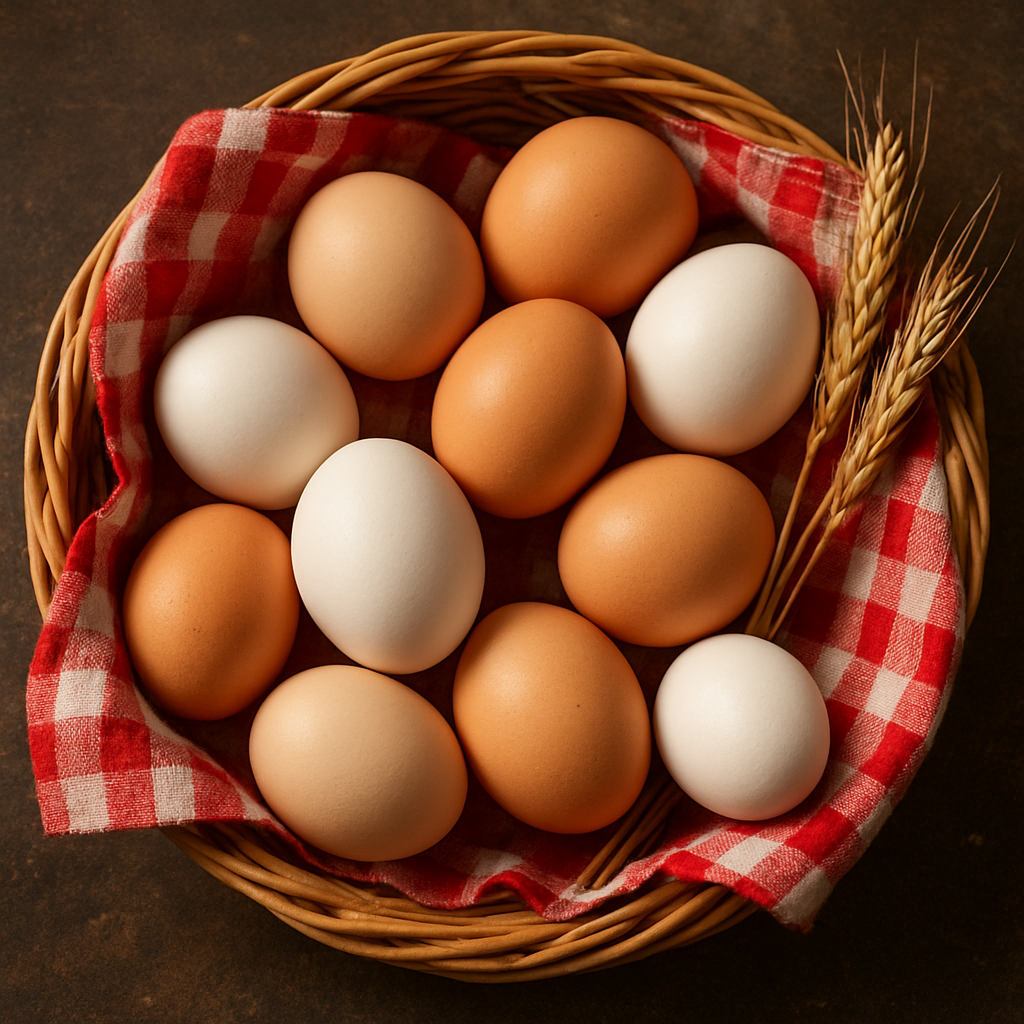
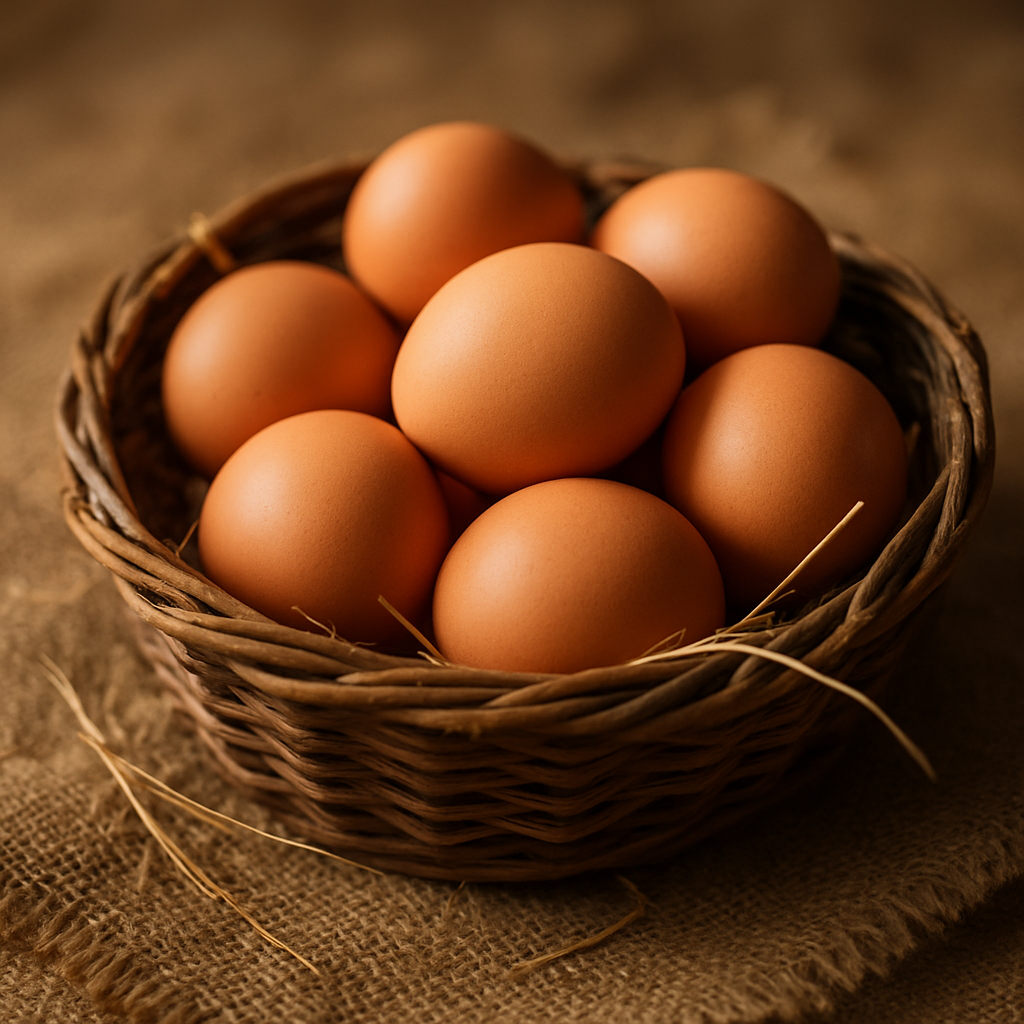
Your Guide to Daily Wholesale Egg Rates
Wholesale egg rates refer to the bulk rates paid by distributors and retailers. These rates change frequently, so it is essential to stay updated with the daily and monthly egg rates suggested by the NECC. The egg rates listed serve as guidelines for both buyers and sellers and act as standard national egg prices that are advisory, not compulsory.
As eggs move from wholesale distributors to retailers, the price per egg increases. As a result, supermarket rates are usually a bit higher than wholesale rates.
Daily egg rates change frequently based on various factors, including market conditions, demand and supply, and weather. The rising cost of feed (corn and soybeans), which are the main ingredients in chicken feed, directly impacts egg prices. Staying updated with today's egg rate helps you make informed decisions while purchasing eggs.
Egg Consumption in India
Egg consumption in India has been booming over the years, reflecting a shift toward higher protein intake. According to the Press Information Bureau (Govt. of India), per capita availability of eggs is 103 annually in 2023-24, as against 62 in 2014-15.
The national egg market in India is projected to generate revenue of approximately US $125 million by 2025, with an impressive growth rate of 13.77% CAGR through 2029 to reach US $209.46 million.
By 2029, the number of egg market users is expected to climb significantly, and an average revenue per user (ARPU) is projected to rise, underlining how eggs remain an affordable and essential protein source for Indian households.

Factors Influencing Egg Rates in India
Feed Cost: Corn and soybean feed account for approximately 75-80% of production cost; as a result, these prices almost directly impact the egg rate.
Disease Outbreaks: Outbreaks also play an important role in egg prices, such as avian influenza, which causes massive production losses.
Seasonal Demand: Seasonality affects egg rates - festivals like Diwali and Christmas, along with extreme heat or cold, influence demand.
Government Interventions: Feed subsidies or import tariffs are also a factor in smoothing out higher rates.
International Trends: International market conditions are volatile, and retail egg prices change according to the supply chain when supply is unable to meet demand.
Popular City Egg Rates
Frequently Asked Questions
Common questions about today’s NECC egg rate, wholesale vs retail pricing, and how to use EggRateLab.
Conclusion
Knowing today’s egg rate helps every egg buyer, seller, and grocery owner stay aligned with the market. Bookmark eggratelab.com, save your city page, and check the NECC update daily. Share the page with your team or family whenever prices move quickly.
About EggRateLab & our author
Why we built this site
Egg prices in India move every day, yet many people still lack a clean, trustworthy place to check them. Siya S. started EggRateLab to publish NECC egg rates, wholesale-to-retail spreads, and city-wise prices in plain language.
Our goal is not only to show numbers—it is to give farmers, traders, and households a daily reference they can trust. That is why tables, city pages, charts, FAQs, and bilingual support live together on one site.
Contact
Questions or corrections: support@eggratelab.com · +91 98201 23456. Read more about EggRateLab.
https://eggratelab.com